IoT Oil Well Management Platform
We developed an IoT-powered Well Management Device integrated with Bluetooth sensors to get readings from oil, optimize oil well monitoring and analysis.
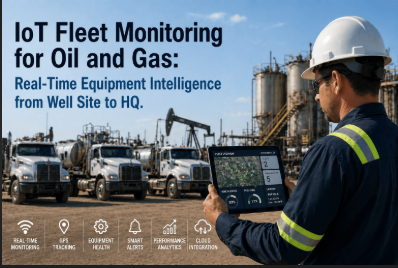
1. Project Overview We developed an IoT-powered Well Management Device integrated with a SaaS platform to optimize oil well monitoring and analysis. The solution combines a Bluetooth-enabled IoT device with a specialized sonic gun to measure fluid levels and geological data in wells, delivering real-time analytics and insights through a centralized platform. 2. Problem Statement Oil and gas companies face critical challenges in monitoring well conditions: 1. Traditional methods of fluid-level measurement were time-consuming, inaccurate, and labor-intensive. 2. Lack of centralized monitoring made it hard to manage multiple wells, devices, and user roles. 3. Limited analytics capabilities restricted decision-making and predictive maintenance. 3. Objectives 1. Automate the measurement of oil depth inside wells. 2. Provide a real-time, centralized SaaS platform for administrators and engineers. 3. Enable analytics-driven insights for better geological and operational decision-making. 4. Improve efficiency, accuracy, and safety in well management. 4. Solution Delivered IoT Device + Software Integration 1. Bluetooth-based IoT Device connected to a specialized sonic gun. 2. Gun sends sound waves into the well; returning signals are captured by the IoT device. 3. Data transmitted to SaaS platform for processing, visualization, and analysis. Key Features Developed Web Platform (Admin & Analytics) 1. Well Management – register, monitor, and maintain multiple wells. 2. Device Management – manage IoT devices and ensure connectivity. 3. User Management – multi-role support (Admin, Engineer, Operator). 4. Geological Hierarchy – structured view of wells by region/zone. 5. Maintenance Management – scheduling & alerts for device upkeep. 6. Roles & Permissions – controlled access to sensitive data. 7. Analytics Dashboard – AM charts & KPIs for real-time insights. Windows Application (User-side) 1. Measurement Window – displays real-time readings from wells. 2. Visualization – AM charts showing depth, velocity, collar count, and fluid level. 3. Export & Reporting – generate reports for operational and compliance needs. 5. Technology Stack 1. IoT Communication: Bluetooth Low Energy (BLE) 2. Platform: Web Software (Cloud-hosted, scalable) 3. Frontend: React (for web), Windows App for client users 4. Backend: Python 5. Database: PostgreSQL 6. Visualization: AM Charts for depth/velocity analytics 7. Integration: Signal Processing Algorithms for sound wave analysis 6. Business Impact 1. 95% faster well measurement compared to manual methods. 2. Accuracy improved by 30–40%, reducing errors in depth calculation. 3. Centralized SaaS monitoring improved multi-well management efficiency. 4. Predictive maintenance reduced downtime of equipment. 5. Improved safety and compliance through reliable geological insights. 7. Conclusion The IoT Well Management SaaS solution transformed the traditional process of oil well monitoring into a smart, automated, and analytics-driven system. By combining IoT , signal processing the platform and software for operations management enables oil companies to achieve greater efficiency, cost savings, and real-time decision-making.